Imposter syndrome is holding back The most capable people
Whether you’re experiencing imposter syndrome yourself or leading talented people who doubt their abilities, understanding what’s really happening is the first step to unlocking potential.
Trusted By:















Imposter syndrome is more than self-doubt.
Many people think imposter syndrome is simply a confidence issue. But its impact goes much further.
When capable people constantly question themselves, they often:
- Hold back ideas
- Avoid opportunities
- Stay silent in meetings
- Delay decisions
- Overwork to prove themselves
- Miss promotions
- Burn out trying to “earn” success
The result isn’t just lower confidence—it’s untapped potential.

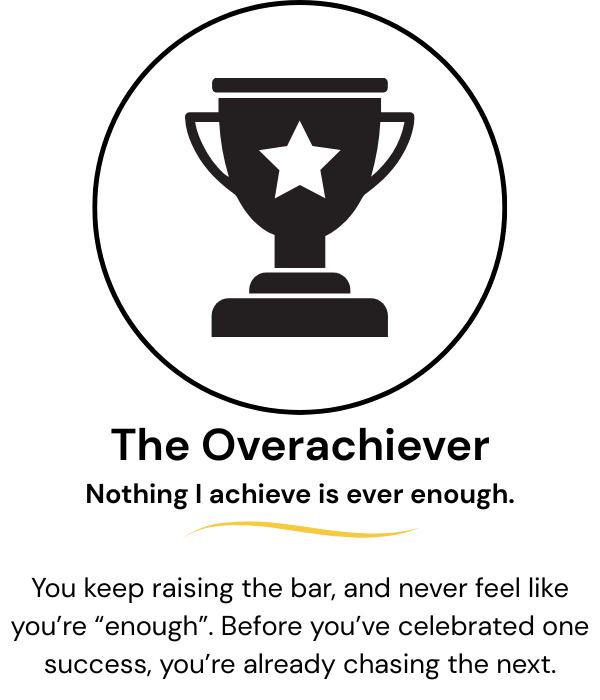
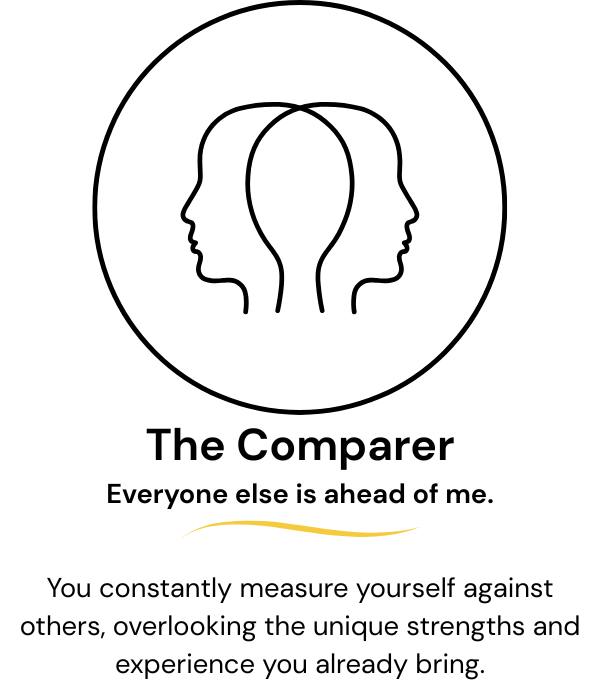
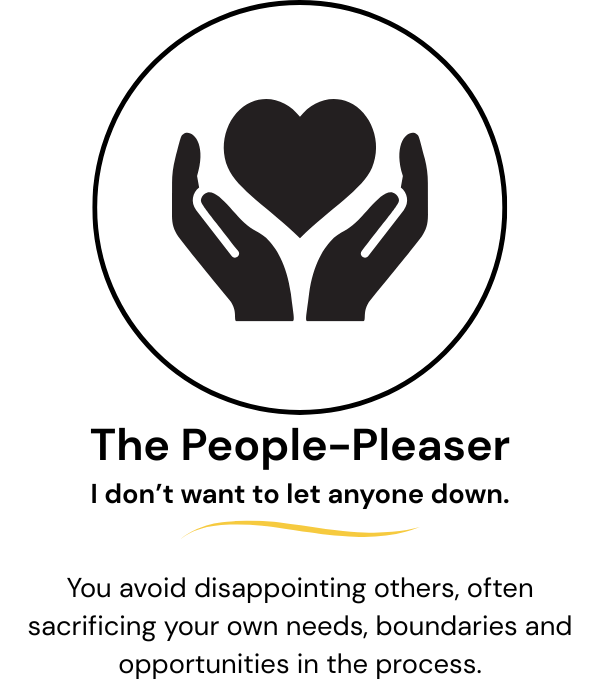
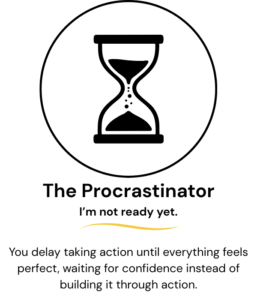
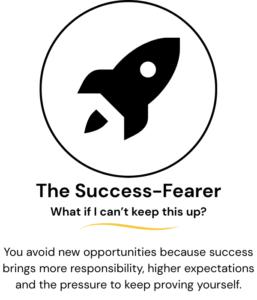
There isn’t just one type of imposter syndrome.
Although the feelings may be similar, the way imposter syndrome shows up is different for everyone. Through years of research, coaching and working with organisations, I’ve identified five common Imposter Identities—each with its own patterns, strengths and blind spots.
The first step isn’t fixing yourself.
It’s understanding yourself.
Take the Imposter Identity Assessment today
When capability goes untapped, everyone loses
Imposter syndrome doesn’t just affect the individual experiencing it.
When capable people question themselves, the impact extends to teams, leaders and organisations.
Individuals
Recognise what’s holding you back, understand your Imposter Identity and build the confidence to realise your full potential.
Leaders
Learn how to recognise imposter syndrome in others, create psychological safety and help capable people contribute with confidence.
Organisations
Support talent retention, leadership development and employee performance by addressing one of the hidden barriers to capability.
The greatest cost of imposter syndrome isn’t self-doubt. It’s the contribution that never happens.
Testimonials
Hi, I'm Aoife O'Brien 👋
For over 20 years, I’ve been helping people and organisations understand what drives performance at work. My work began in market research, uncovering the “why” behind people’s behaviour. Today, I bring that same evidence-based approach to helping professionals and organisations understand one of the biggest hidden barriers to performance: imposter syndrome.
I’ve worked with organisations including Meta, Logitech, Allianz, HubSpot, AbbVie and Ciena, helping leaders build workplaces where people can contribute with confidence and thrive.
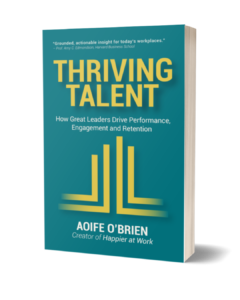
I’m the bestselling author of Thriving Talent, host of the award-winning Happier at Work podcast, and creator of the Imposter Identity framework and assessment.
Learn more about Aoife →

Bestselling Author of Thriving Talent
Top-rated, award-winning podcast
Award-winning programmes

Featured in: